

Introduction
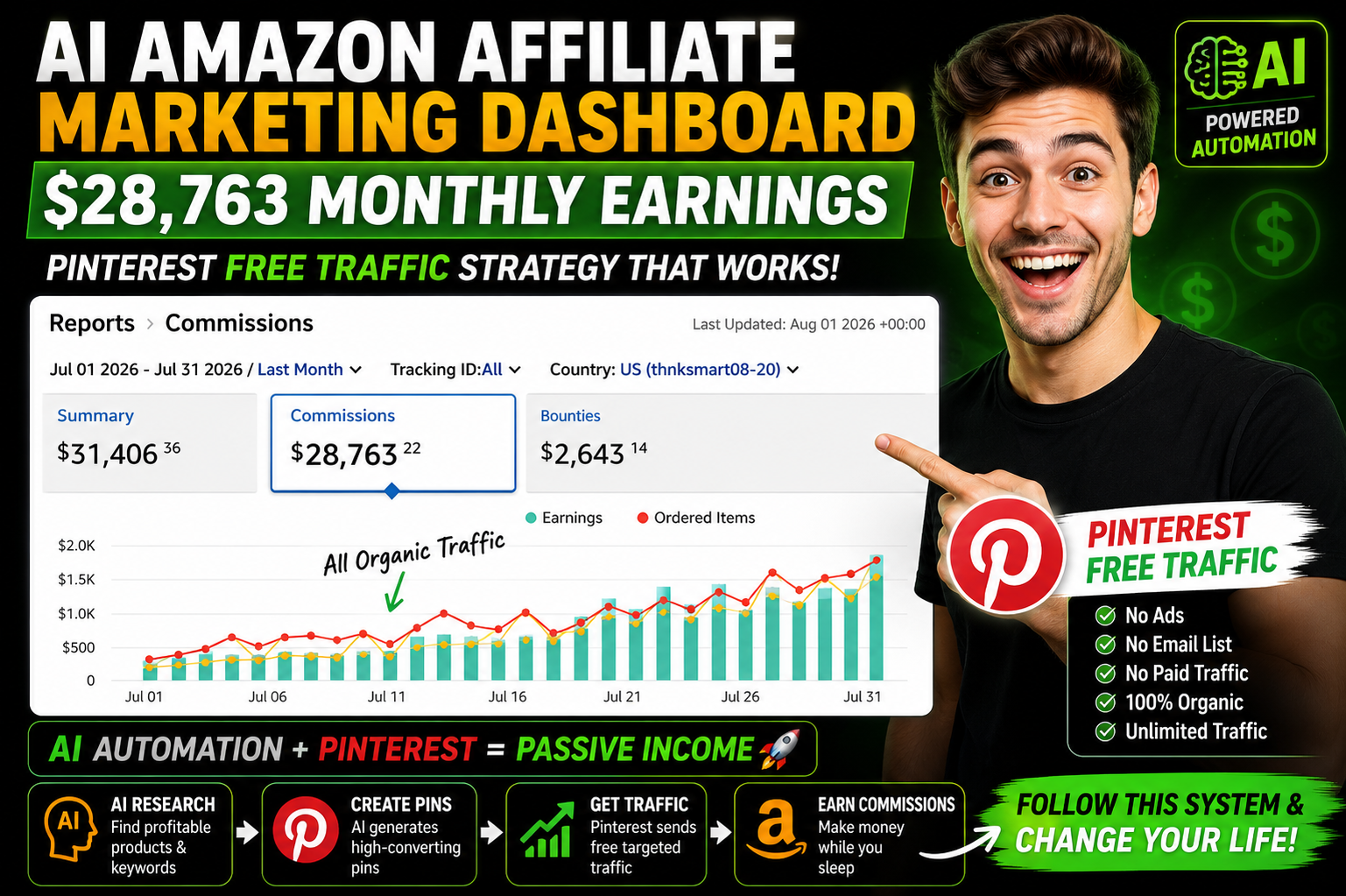
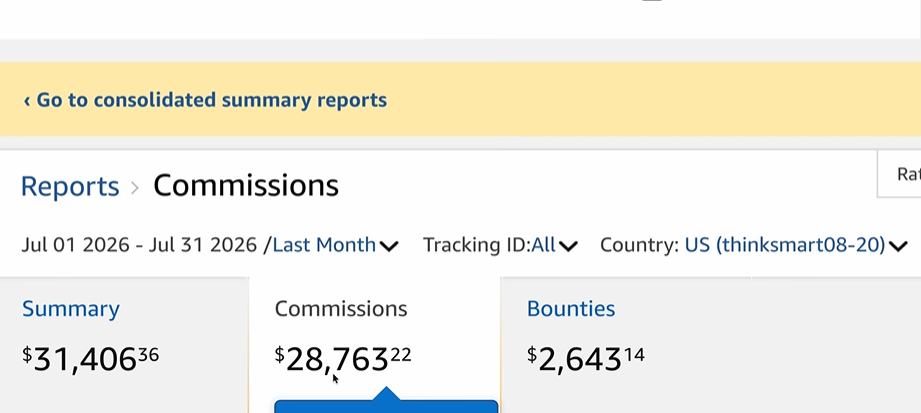
Imagine waking up to find $28,763 in your Amazon affiliate account—all from one month, without running a single ad. That’s not a fantasy. That’s exactly what happened when I fully integrated AI into my Amazon affiliate marketing strategy.
So, what is Amazon affiliate marketing with AI? It’s a method where you promote Amazon products through unique affiliate links, and when someone clicks your link and makes a purchase, you earn a commission. The twist? AI handles the heavy lifting—from finding winning products to creating high-converting content, all while you focus on strategy and scaling.
This approach matters now more than ever because AI has democratized affiliate marketing. You no longer need to be a professional content creator, spend thousands on ads, or guess which products will sell. AI tools like Alexa, ChatGPT, and Google Gemini give you data-driven insights and creative assets that used to take weeks to produce manually. And the best part? You can do it all with free traffic from platforms like Pinterest.
Key Features / How It Works
This AI-powered system combines several powerful components that work together to generate consistent affiliate commissions:
- AI-Powered Product Discovery: Using Amazon’s Alexa AI, you can instantly find the 20 best-selling, high-converting products in any niche. Simply input a prompt asking for products with high sales, strong ratings, many reviews, and prices between $15–$60—products that solve real problems and aren’t oversaturated.
- AI-Generated Visual Content: You feed product images and descriptions into tools like ChatGPT and Google Gemini, which then generate high-converting Pinterest ad creatives. These visuals use the “before and after” style—a proven format that drives clicks and commissions on Pinterest.
- SEO-Optimized Pin Creation: AI writes compelling, keyword-rich titles and descriptions for your Pinterest pins. This ensures your content gets discovered by Pinterest’s search engine, which reaches over 1 billion monthly active users.
- Affiliate Link Protection with Landing Pages: Instead of posting raw affiliate links (which can get your account banned), you redirect traffic through a simple landing page or affiliate website. This is a safer, more professional way to share links and increases trust with your audience.
- Multi-Platform Strategy: While Pinterest is the starting point, the same content can be repurposed for YouTube, TikTok, Instagram, and Facebook. Videos typically convert better than images, and cross-posting multiplies your traffic and commissions.
What You Need to Get Started
The barrier to entry is surprisingly low. Here’s what you’ll need:
- Amazon Associate Account: Sign up for free at Amazon Associates. Available in the US, UK, Canada, Australia, Germany, and many other countries. The process takes about 15 minutes.
- Pinterest Business Account: Create a free business account (or convert your personal account). This unlocks analytics, ad features, and professional tools for tracking your pins’ performance.
- AI Tools (Many Are Free):
- Amazon Alexa AI (built into Amazon—free)
- ChatGPT (free tier available for prompt generation)
- Google Gemini (free tier for creating images and writing descriptions)
- Optional but helpful: Canva (free) for additional visual tweaks
- A Simple Landing Page or Website: You can build a free page using platforms like Carrd, Linktree, or a basic WordPress site. More advanced users can create a full affiliate website—but it’s not required to start.
- Time Commitment: Plan to spend 5–10 hours per week on product research, content creation, and pinning. The work compounds—your pins stay active and generate traffic indefinitely.
- Minimal Budget ($0–$50/month): You can start completely free. If you scale, you may invest in premium AI tools or hosting, but it’s not necessary for your first $1,000.
Benefits & Challenges
✅ Benefits
- Passive Income Potential: Once your pins are published, they continue driving traffic and commissions with little ongoing effort. The $28,763 month wasn’t a fluke—it was the result of a system that keeps working.
- No Paid Ads Required: All traffic comes from Pinterest’s organic search and discovery features. This means 100% of your earnings are profit after time investment.
- Global Audience: Amazon Associates works internationally, and Pinterest has users worldwide. Your products can sell to anyone, anywhere.
- AI Efficiency: What used to take days of research and content creation now takes minutes. AI finds winning products and creates professional visuals that convert.
- Scalable: You can repeat this process for dozens of products across multiple niches, multiplying your income streams.
⚠️ Challenges
- Competition: Amazon affiliate marketing is popular. You need to use AI strategically to find products that aren’t oversaturated. The provided prompt specifically filters for unsaturated opportunities.
- Pinterest Algorithm Changes: Like any platform, Pinterest updates its algorithm. Stay adaptable and test different pin styles, descriptions, and products regularly.
- Delayed Results: It can take 2–4 weeks of consistent pinning to see significant traffic and commissions. Patience is key.
- Amazon Commission Rates: Commission rates vary by category (1%–10%+). Higher-ticket, problem-solving products often have better rates. The method specifically targets products with strong commission potential.
Best Strategies to Get Results
1. Use Alexa AI to Discover “Problem-Solving” Products
Why it works: Products that solve a genuine problem (like dry lips, acne, or tech issues) have urgent demand. When people have a problem, they search for solutions immediately—and buy quickly.
How to execute: Use the prompt provided in this guide to ask Alexa for the 20 bestselling beauty, tech, or home products with high ratings and strong sales. Products priced between $15–$60 have a sweet spot—affordable enough for impulse buys, high enough for decent commissions.
2. Create “Before and After” Visuals with AI
Why it works: Pinterest users scroll quickly. Before-and-after visuals grab attention and instantly communicate value. AI tools like Google Gemini can generate these visuals in seconds using your product images.
How to execute: Upload 3–5 product images to ChatGPT with a prompt asking for a “before and after” Pinterest ad. Then take that prompt to Google Gemini’s image creator. The result is a professional, high-converting pin that stands out in a crowded feed.
3. Build a Simple Landing Page (Protect Your Links)
Why it works: Pinterest penalizes accounts that post direct affiliate links—and can ban them permanently. A landing page acts as a buffer, looks more professional, and lets you add extra content (reviews, comparisons, or multiple product recommendations).
How to execute: Create a free page on Carrd or Linktree with a brief product review and a clear call-to-action button linking to your Amazon affiliate link. Keep it clean, fast, and mobile-friendly.
Common Mistakes & Safety Tips
🚫 Mistakes to Avoid
- Promoting Raw Affiliate Links on Pinterest: This is the #1 reason accounts get banned. Always use a landing page or your own website as an intermediary.
- Choosing Products You Like Instead of What Sells: Your personal preferences don’t matter—market demand does. Always start with data from Alexa AI or other research tools. The prompt filters for products with proven sales and reviews.
- Ignoring SEO in Your Pinterest Pins: Pinterest is a search engine. Titles and descriptions packed with relevant keywords get discovered. AI tools like Google Gemini can write these for you—use them.
- Posting Once and Stopping: Consistency matters. You need to pin multiple times per week. Test different visuals, descriptions, and products. Double down on what works.
- Focusing Only on One Niche (Too Narrow): While each board should promote a specific niche, don’t limit yourself to one niche overall. Test several to find where you get the best engagement and commissions.
✅ Safety & Trust Tips
- Always Disclose Your Affiliate Relationship: Include a disclaimer like “As an Amazon Associate, I earn from qualifying purchases.” This is required by Amazon and builds trust with your audience.
- Only Promote High-Quality, Genuine Products: Only recommend products you genuinely believe help people. Your reputation depends on it. Negative reviews or poor-quality products will damage your credibility.
- Diversify Your Platforms: Don’t rely only on Pinterest. Repost your content to YouTube Shorts, Instagram Reels, and TikTok using the same visuals and descriptions. Videos often convert even better than static images.
- Track Your Links: Use Amazon’s built-in tracking or tools like Pretty Links to monitor which pins drive the most clicks and commissions. Use this data to optimize your future campaigns.
Conclusion
Making $28,763 in a single month with Amazon affiliate marketing isn’t reserved for gurus or tech geniuses. It’s achievable with the right system, AI tools, and consistent effort. The method is clear: let Alexa AI find winning products, use ChatGPT and Google Gemini to create high-converting content, and protect your affiliate links with a simple landing page on platforms like Pinterest.
This business model works because it leverages AI’s incredible ability to analyze data, generate creative assets, and optimize for search engines—all tasks that used to take a team of professionals. And because traffic is organic (free!), your profit margins are sky-high.
Your journey starts today. Open an Amazon Associate account, sign up for Pinterest Business, and run your first product discovery prompt in Alexa. Test, iterate, and scale. The system works—and with your dedication, you could be looking at your own $20,000+ month sooner than you think.
If you’re ready to dive deeper into using AI for affiliate marketing, consider exploring resources like the AI Affiliate Marketing courses or communities that offer step-by-step guidance and ongoing support. The tools are here, the opportunity is massive—now it’s your turn to take action.